
 0800 220 009
 Back to Blogs
 Back to Blogs
3 Steps Before Buying a Used Car in New Zealand
 May 30, 2026
 Motorshare team
 5 months
Buying a used car in New Zealand can be exciting, but it can also become expensive very quickly if you rush the process. Whether you are looking for a reliable daily driver, a family SUV, a first car, a European sedan or a more premium performance vehicle, the same rule applies: the car needs to make sense before you let emotion take over.
It usually starts the same way. You find a listing on Trade Me, the photos look good, the description says “well maintained”, the price feels fair, and within a few minutes you are already imagining the first drive. That is exactly when you need to slow down and check the car properly.
Most of the advice in this guide applies to any used car purchase in New Zealand. You need to check the listing, the photos, the legal status, the WOF, the service history, the tyres, the brakes, the fluids, the electronics and the way the car behaves on the road. These checks matter on a Toyota, a Mazda, a BMW, a Porsche or a Bentley.
The difference is that with luxury, European or performance cars, small mistakes often become much more expensive. A weak service history, poor accident repairs, tired brakes, cheap tyres or hidden electronic faults can turn what looked like a good deal into a very costly mistake.
To make the process easier, think of it in three stages: what to check before you see the car, what to inspect during the visit and test drive, and what to confirm after the visit before you buy.
Step 1: Before You See the Car
Read the Listing Carefully
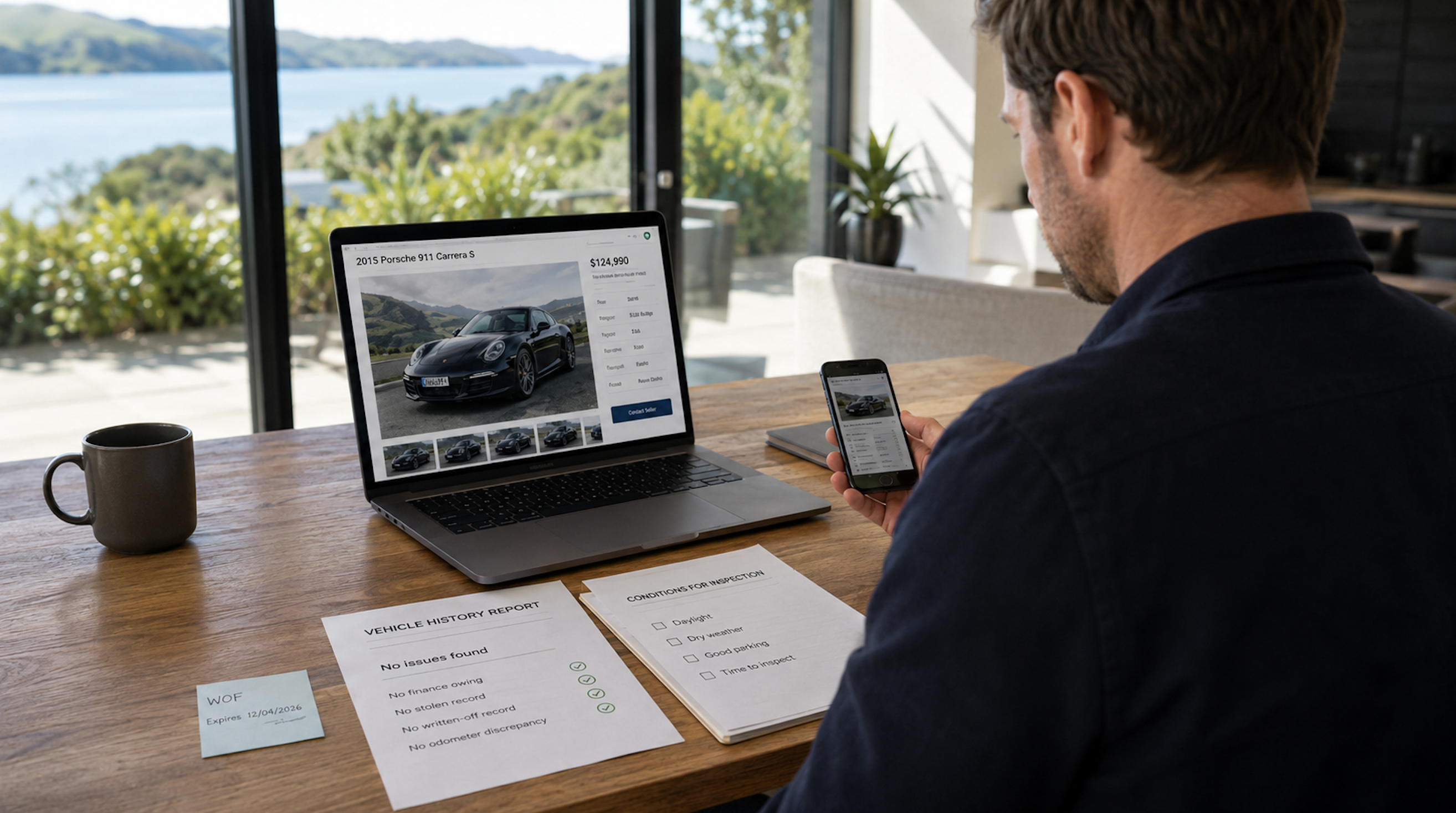
Before you even arrange a viewing, take time to read the listing properly. On Trade Me or any other used car platform, the way the car is presented often tells you a lot about the seller and the vehicle itself.
A strong listing usually includes clear photos, service history, ownership details, mileage, WOF and registration information, import status, tyre condition, recent maintenance and honest notes about imperfections. A weak listing often hides behind vague wording such as “drives well”, “minor issues”, “needs nothing” or “cheap for quick sale”. None of these phrases automatically mean the car is bad, but they should make you ask more questions before going further.
Look Closely at the Photos
Photos matter more than people think. A serious seller should be able to show the car properly from every angle, in good light, on a dry day and with enough space around the vehicle to actually see its condition.
Photos taken against a wall, in the rain, at night or in a dark driveway are not enough. They can hide scratches, dents, poor paint repairs, wheel damage, bumper marks and panel gaps. If the listing avoids showing the interior, engine bay, tyres, lower bumpers or close-up paintwork, ask for more photos before wasting your time with a visit.
Check the Legal Status
In New Zealand, one of the most important steps before buying a used car is checking whether there is money owing on it. This is especially important when buying privately. If finance is still registered against the vehicle, the car can potentially be repossessed even after you have paid for it.
Run a PPSR check or use a recognised vehicle background check service. Confirm that the registration number, VIN and chassis number match the documents and the vehicle itself. You should also check whether the car has been reported stolen, written off, deregistered or re-registered. A re-registered vehicle is not always a problem, but it needs to be understood properly before you buy.
Understand What a WOF Really Means
A current WOF does not mean the car is in excellent condition. It only means the vehicle met the required safety standard at the time of inspection. That distinction matters.
A car can have a fresh WOF and still need tyres, brakes, servicing, suspension work, electronic repairs or engine work soon after purchase. Registration is also not a mechanical endorsement. It simply means the car is licensed to be on the road. Do not confuse “legal to drive” with “smart to buy”.
Choose the Right Conditions for the Inspection
Do not inspect a car in the rain unless you have no other option. Rain is one of the easiest ways to miss important details because wet paint hides scratches, swirl marks, faded panels and poor repairs.
Bad weather also makes people rush. You are less likely to spend time checking panel gaps, stone chips, tyre wear, brake condition or the underside of the car when you are standing in the rain. A test drive in wet conditions also gives you less useful feedback because braking, traction, steering feel and road noise are harder to judge properly.
Step 2: During the Inspection and Test Drive
Start by Looking Under the Car
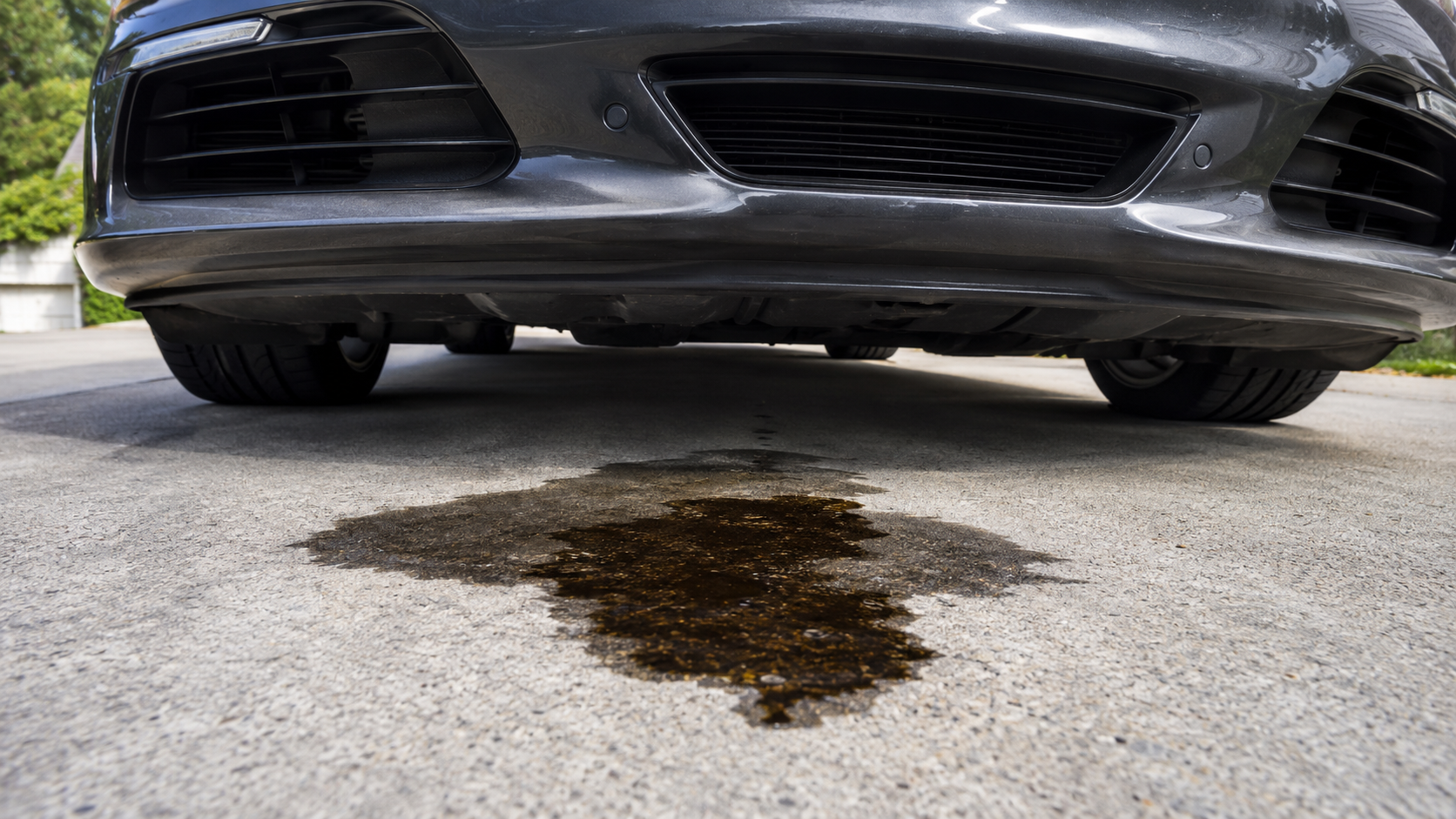
When you arrive, do not start with the engine. Start with the ground. Look under the car and around the area where it has been parked. You are looking for fresh drops of oil, coolant, transmission fluid, brake fluid or any suspicious liquid.
One drop does not automatically mean disaster, but it gives you something to investigate. On some cars, a small leak is simply annoying. On premium or performance vehicles, a small leak can quickly become an expensive repair.
Inspect the Bodywork Properly
Used cars live real lives, so small scratches, stone chips and normal wear are expected. What you are looking for is the difference between honest use and hidden damage.
Look at the car from multiple angles in daylight. Uneven reflections, colour differences between panels, overspray near trims, inconsistent panel gaps or fresh paint on one section can all suggest previous repair work. That does not automatically mean the car is bad, but the repair should be disclosed and professionally done.
Ask for a Cold Start
A warm engine can hide problems, so try to inspect the car from cold whenever possible. Listen carefully when the engine starts. Rough idle, excessive smoke, rattles, ticking, warning lights or hesitation can all point to issues.
Some belt or pulley noises are much more obvious when cold. A tired belt, pulley or accessory drive can sometimes make a squealing or whistling sound, almost like air escaping from a balloon. As the engine warms up, the noise can reduce or disappear, which is exactly why the cold start matters.
Check the Fluids
You do not need to be a mechanic to spot warning signs. Check the oil level and condition, look for milky residue under the oil cap, check coolant levels and look for visible leaks, cracked hoses, missing covers or non-factory wiring.
The goal is not to diagnose the entire car yourself. The goal is to notice enough to know when something deserves a specialist opinion.
Look at Tyres and Brakes
Tyres are one of the best indicators of how a car has been treated. Cheap tyres on a powerful or expensive car can be a warning sign because it suggests the owner wanted the badge but not the running costs.
Uneven tyre wear can point to alignment issues, suspension problems or hard use. Brakes matter just as much. Check for a lip on the discs, vibration under braking, squealing, worn pads and warning lights. On European, luxury or performance cars, tyres and brakes can cost far more than people expect.
Test Every Electronic Feature
Modern used cars are full of electronics, and luxury cars take that to another level. Seats, infotainment, cameras, sensors, parking systems, adaptive suspension, air suspension, electric tailgates, drive modes and climate controls all need to work.
Do not assume a small electronic fault is cheap. Test the windows, mirrors, roof if it is a convertible, wipers, lights, dashboard, infotainment and all keys. Small signs of neglect often reveal how the car has been treated overall.
Listen During the Test Drive
A proper test drive is not just a quick lap around the block. The car talks to you while you drive, and your job is to listen.
At low speed, listen for suspension knocks, steering noises, brake squeal and drivetrain clunks. At road speed, check whether the car tracks straight, whether the steering wheel sits centred, and whether there are vibrations through the wheel, seat or pedals.
Wheel bearings often make a deep humming or droning noise, a bit like a washing machine spinning in the background. The sound can change depending on speed or when the weight of the car shifts through corners. It is easy to ignore if you are distracted by the engine, but it matters.
Step 3: After the Visit, Before You Buy
Review the Service History
Service history matters on any used car, but it becomes critical when you are looking at a luxury, European, performance or high-value vehicle.
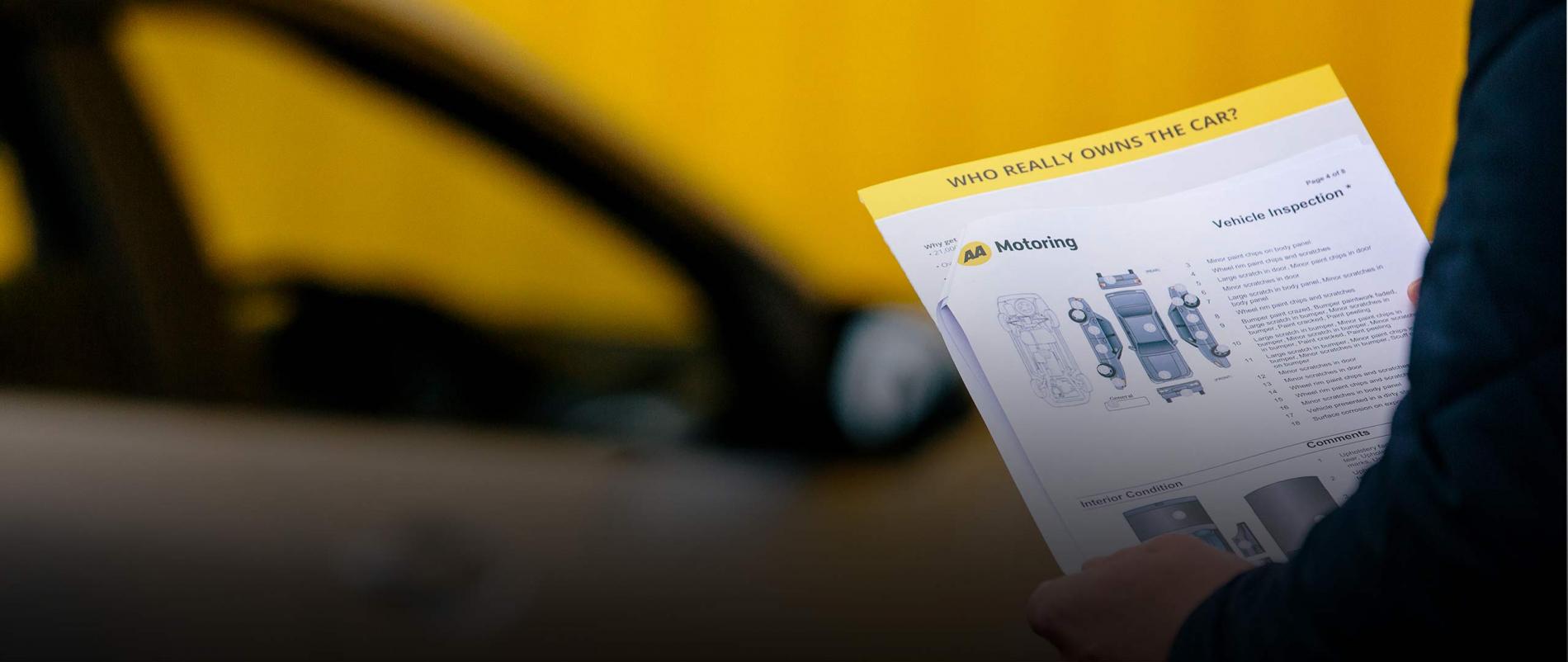
You want invoices, not just nice words. Look for dates, kilometres, workshop names and details of the work completed. Oil changes, transmission services, brake fluid, coolant, spark plugs, belts, tyres, battery replacements and software updates can all matter depending on the model.
On a basic daily driver, a missing invoice might be annoying. On a Porsche, Mercedes-AMG, BMW M car, Audi RS, Range Rover, Bentley, Aston Martin, Ferrari or Lamborghini, gaps in the history can represent real financial risk.
Book a Pre-Purchase Inspection
If you are seriously considering the vehicle, get a pre-purchase inspection. For any used car, this is a smart move. For a luxury, European or performance car, it should be treated as part of the purchase price.
Ideally, use someone who understands the type of car you are buying. A general inspection may catch obvious issues, but a brand specialist or performance workshop will know the model-specific problems to look for.
Calculate the Real Cost of Ownership
The purchase price is only the beginning. Insurance, servicing, tyres, brakes, fuel, parts availability, specialist labour, depreciation and storage all need to be considered before buying.
A car can be affordable to buy and unaffordable to own. This is one of the biggest traps in the used market, especially when someone is upgrading from a regular car to something premium for the first time.
Know When to Walk Away
The smartest used car buyers know when to walk away. Walk away if the story does not add up, if the seller avoids questions, if the paperwork is missing, if there is money owing and no clear process to settle it, or if your gut tells you something is wrong.
There will always be another car. The wrong car can drain your money, time and enjoyment. The right one should feel clear, documented and properly cared for.
Buying vs Experiencing
Sometimes, the smartest way to enjoy luxury and performance cars is not to buy one immediately. Ownership can be incredible, but it also comes with responsibility, depreciation, storage, maintenance and risk.
That is exactly why MotorShare exists. For people who want to experience exceptional cars without committing to ownership, MotorShare offers access to a curated fleet of luxury and performance vehicles in New Zealand.
Buying a car can be a dream. But before you sign anything, take your time, check everything and remember that the cheapest car is rarely the best one.
In the used car market, patience is usually cheaper than regret.
Not ready to buy yet? Rent with Motorshare ;).
Posts that might interest you

New Zealand's premier destination for luxury, exotic and performance car hire, membership and ownership.


Google Rating
See all our reviews
Head Office
888 Great South Road, Penrose, Auckland
Google Rating
See all our reviews


Download our app


Premium & Insured
All vehicles fully insured for your peace of mind.
Flexible Hire Options
Hourly, daily or long term to suit your plans.
Delivery Available
Airport or city delivery across Auckland.
24/7 Concierge
Our team is here when you need us.
© Copyright 2026 MotorShare Holdings Ltd.




NZTA Licensed
100% Kiwi Owned