
 0800 220 009
 Back to Blogs
 Back to Blogs
The Corvette Story: How America Built Its Own Supercar
 May 10, 2026
 Motorshare Team
 5 months
When people talk about supercars, the conversation usually starts in Europe. Ferrari, Lamborghini, Porsche and McLaren have shaped the global image of exotic performance for decades. They represent precision, rarity, motorsport heritage and engineering obsession.
But America has its own answer.
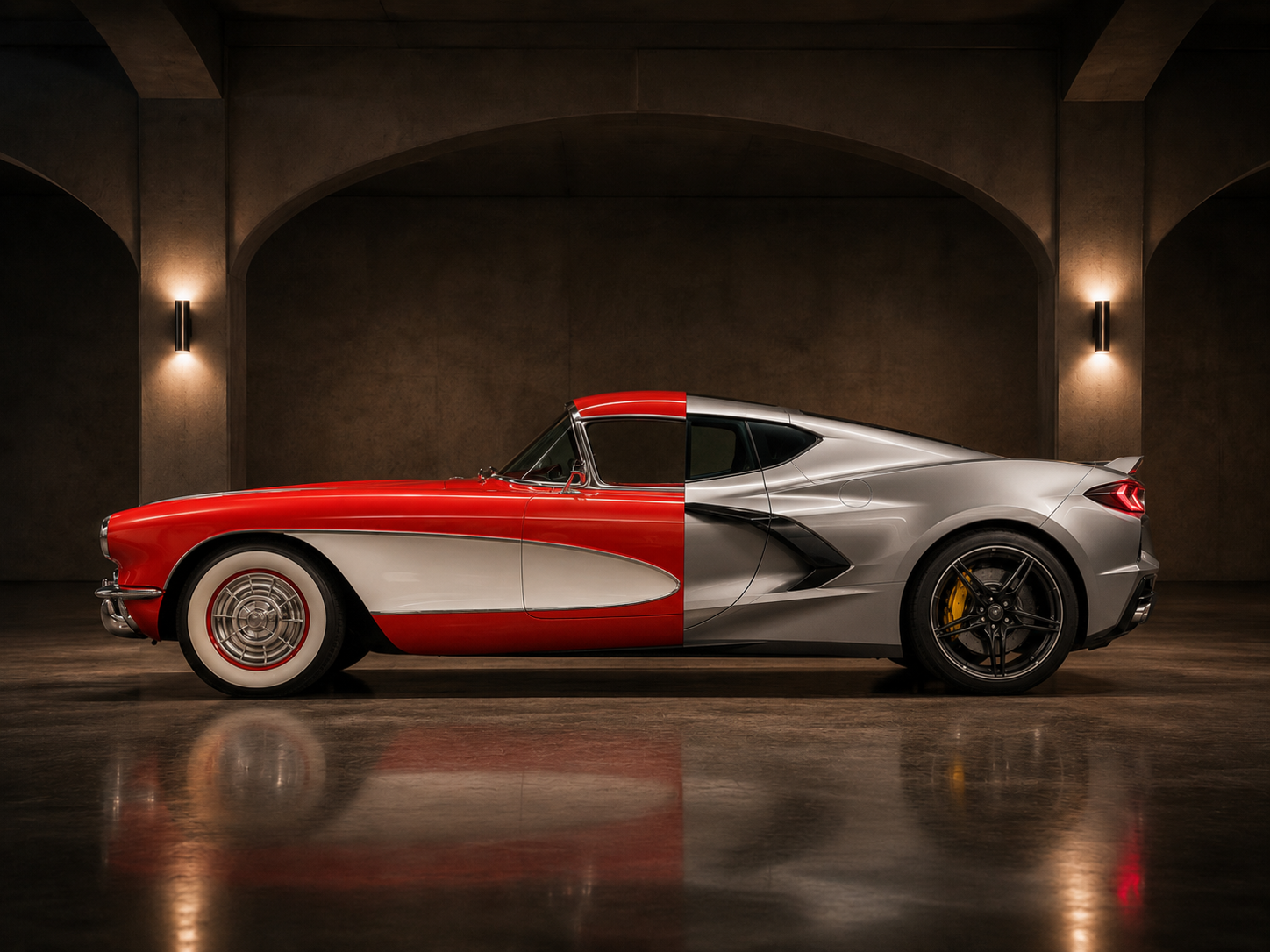
It is not a Ferrari copy. It is not a Lamborghini imitation. It is not a Porsche rival built with the same philosophy. The Chevrolet Corvette is something different. It is America’s long-running attempt to build a world-class performance car in its own language, with its own culture, and eventually, with its own idea of what a supercar could be.
The Corvette story begins in 1953, but the idea behind it was already forming before that. After the Second World War, American soldiers returned home having seen small European sports cars on the roads of Britain, France and Italy. Cars like MGs, Jaguars and early Porsches offered a very different kind of driving pleasure from the big American sedans of the time. They were lighter, lower and more connected to the road.
General Motors saw the opportunity. America had power, scale and manufacturing strength, but it did not yet have a true sports car of its own. The Corvette was created to fill that gap.
The 1953 Corvette: America Tries to Build a Sports Car
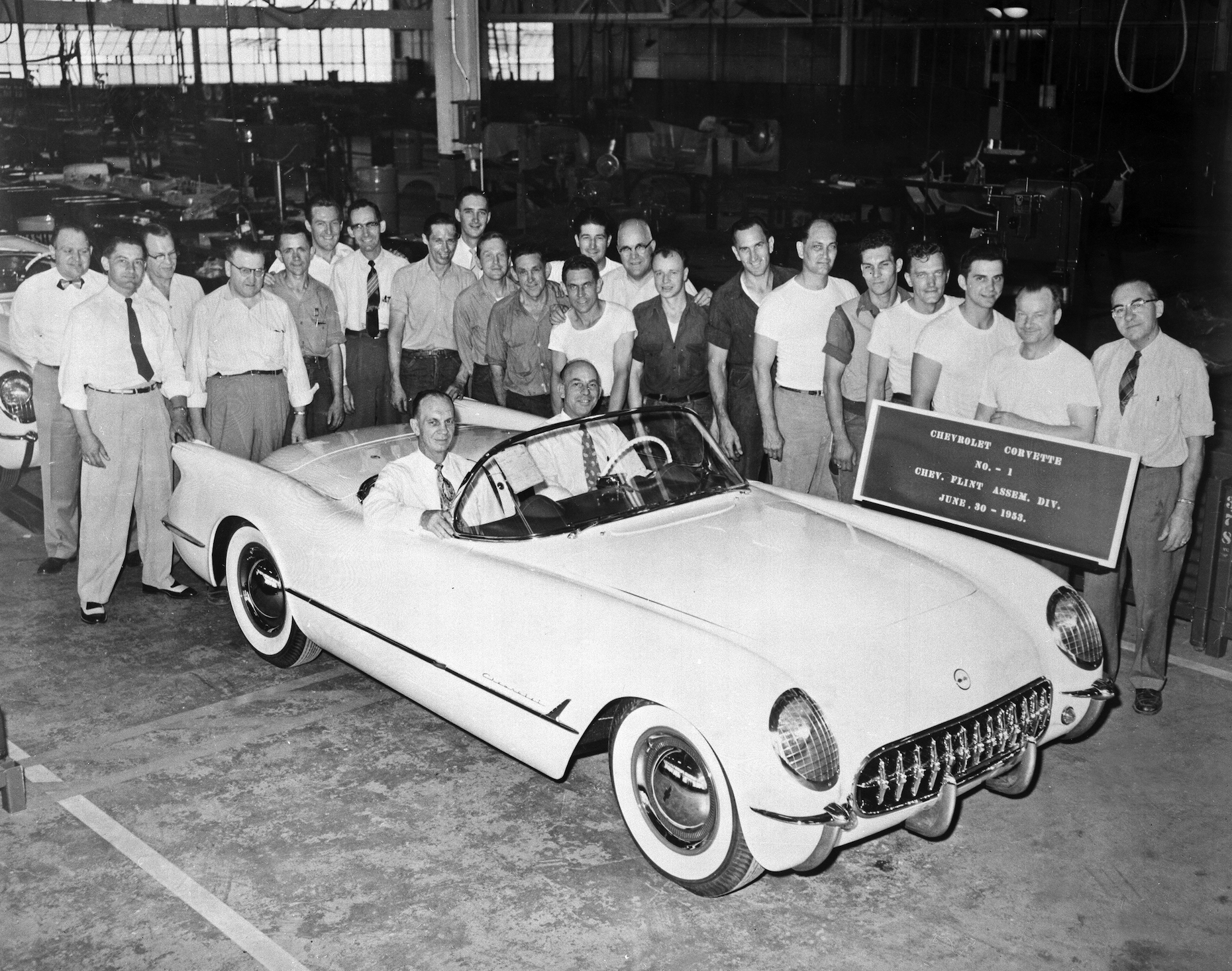
The first Corvette appeared in 1953 as part of General Motors’ Motorama show, an event designed to present the future of American motoring. It looked unlike anything else Chevrolet was selling at the time. Low, clean and elegant, with a fibreglass body and two-seat layout, the Corvette was a bold experiment.
The first production cars were built in very small numbers, and the early Corvette was more stylish than genuinely fast. It had presence, but it did not yet have the performance needed to worry Europe’s best sports cars. The original six-cylinder engine was not enough to transform it into the icon it would later become.
Still, the idea was powerful. Chevrolet had given America a sports car, and more importantly, it had created a platform that could evolve. That evolution came quickly.
Zora Arkus-Duntov and the Performance Identity
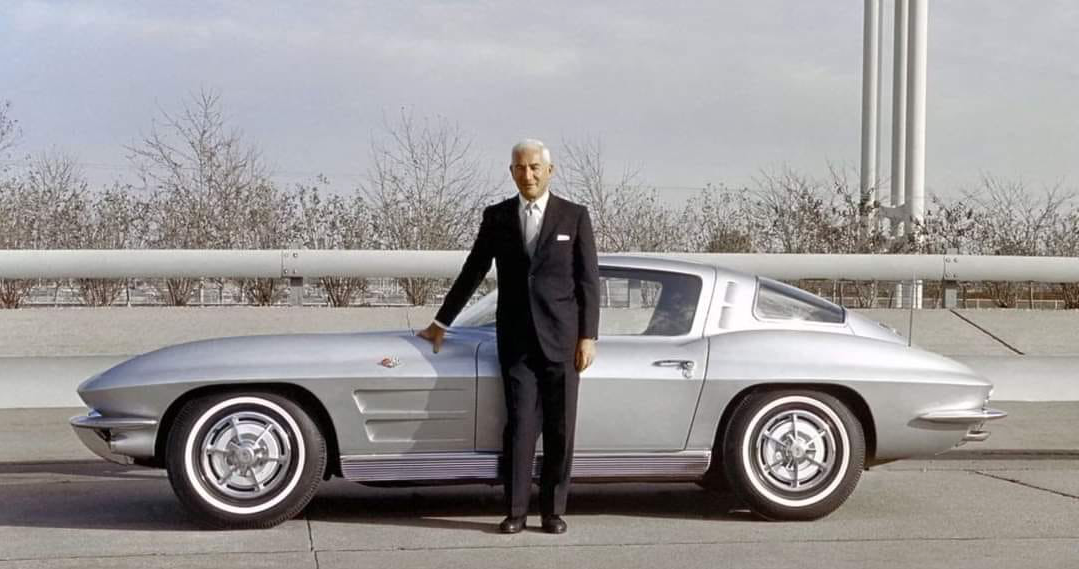
One of the most important figures in Corvette history was Zora Arkus-Duntov, an engineer and racing enthusiast who understood what the Corvette needed to become. He saw the car’s potential, but he also knew that style alone would not be enough. If the Corvette was going to survive, it needed real performance credibility.
The arrival of Chevrolet’s small-block V8 in the mid-1950s changed everything. Suddenly, the Corvette had the engine it had always needed. The car became faster, more exciting and more aligned with America’s natural strength: accessible power.
This was the beginning of the Corvette’s identity. It would never be a delicate European roadster. It would become a uniquely American performance car, combining relatively lightweight construction with serious V8 power.
By the end of the 1950s, the Corvette had moved beyond the idea of a stylish experiment. It was becoming a car enthusiasts could take seriously.
The 1963 Sting Ray: The Corvette Becomes an Icon
If the early Corvette created the idea, the 1963 Sting Ray gave it mythology.
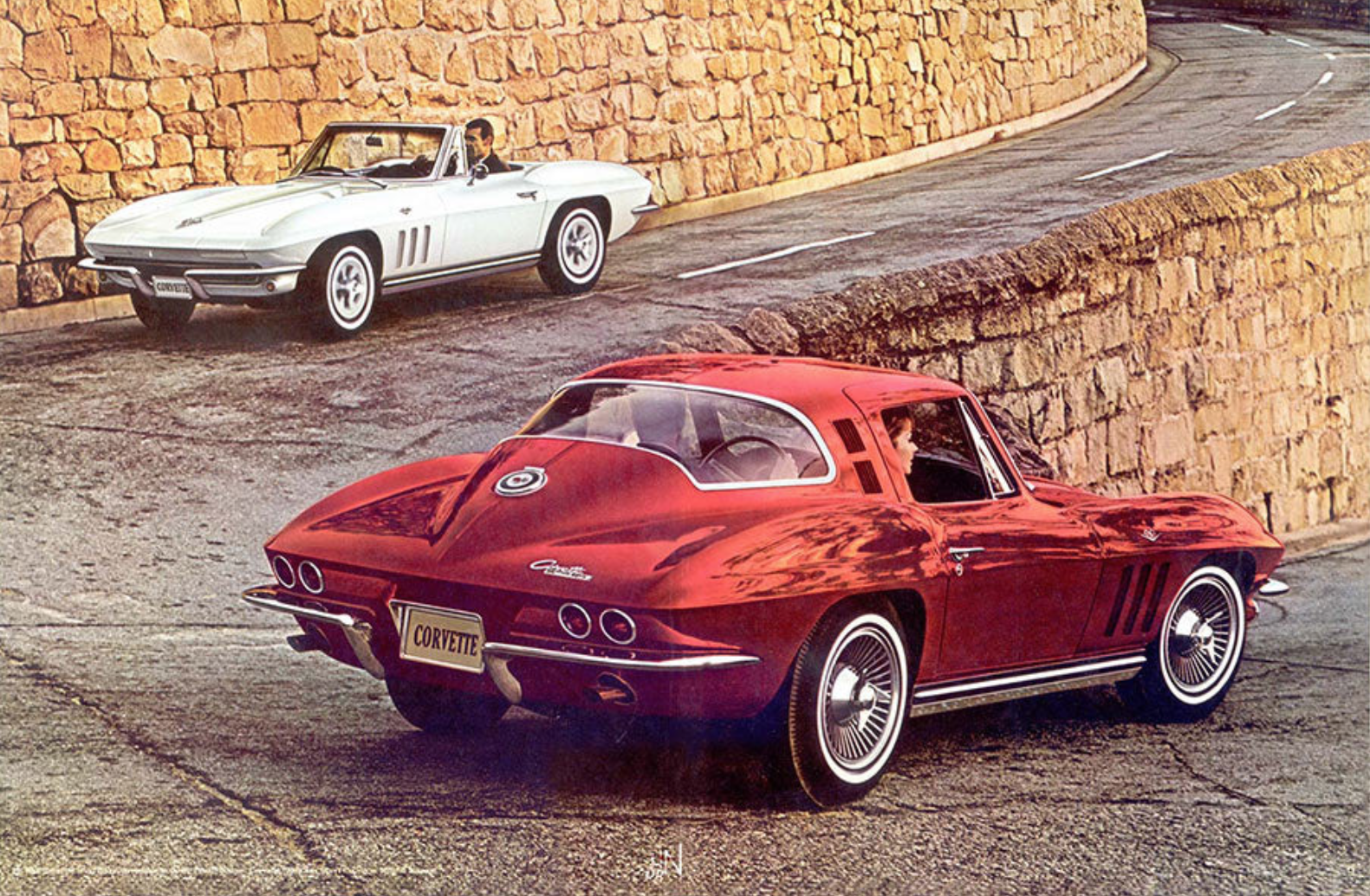
The second-generation Corvette, known as the C2, arrived with one of the most recognisable shapes in American automotive history. The split-window coupe, produced for 1963 only, became an instant design landmark. Its sharp lines, hidden headlights and dramatic proportions made it feel futuristic, aggressive and unmistakably American.
But the C2 was not just about looks. It also brought major engineering improvements, including independent rear suspension, which helped transform the way the Corvette drove. This mattered because the car was no longer trying to be merely stylish. It was becoming more serious, more capable and more technically credible.
The Sting Ray era helped define the Corvette’s role in American culture. It was glamorous, but not fragile. Powerful, but not completely out of reach. It was the kind of car people could dream about while still imagining that one day, maybe, they could actually own one.
That distinction would remain central to the Corvette story for decades.
The Muscle Years: Power, Drama and American Confidence
The late 1960s and early 1970s were a golden era for American performance, and the Corvette naturally absorbed that energy. Big-block V8s, aggressive styling and growing horsepower helped the car become a symbol of speed and confidence.
During this period, the Corvette was less concerned with European subtlety and more focused on presence. It was wide, loud and dramatic. It belonged to an era when performance was often measured in displacement, sound and straight-line acceleration.
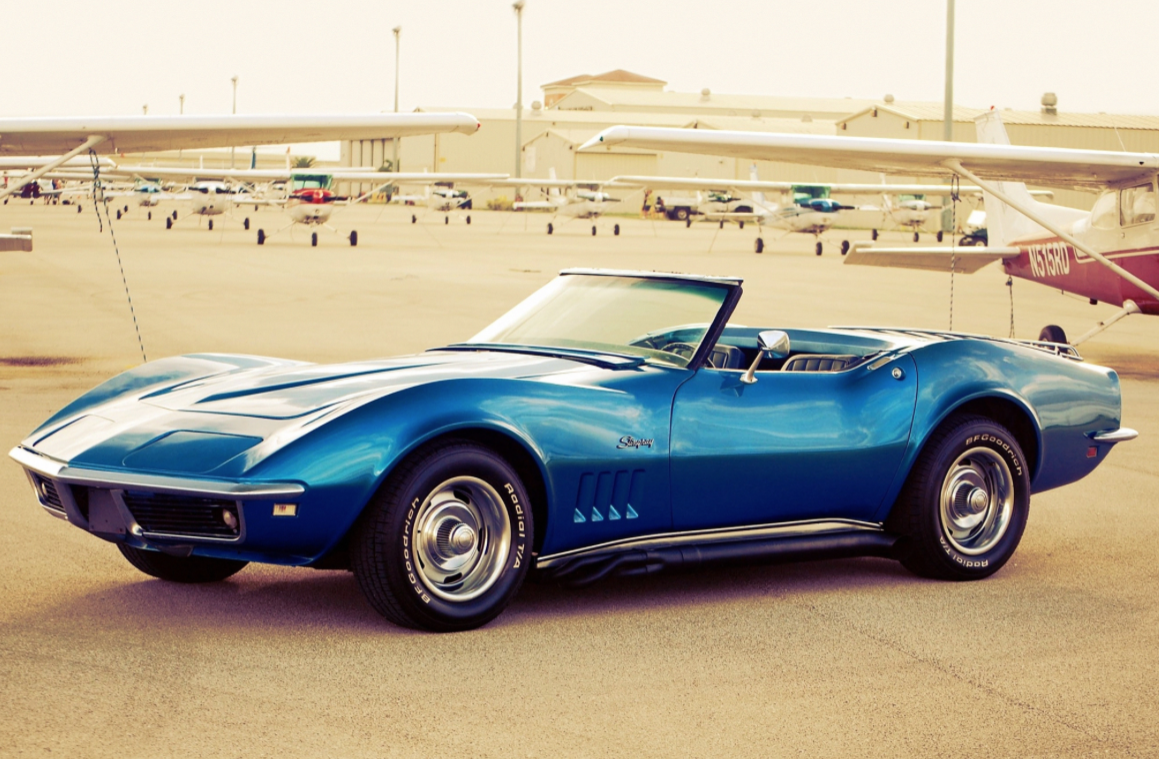
The third-generation Corvette, the C3, arrived in 1968 with styling inspired by the Mako Shark concept. It looked long, low and theatrical, perfectly matching the mood of the time. For many people, this is still the shape that defines the classic American Corvette: muscular, slightly excessive and impossible to ignore.
But the world around the car was changing. Emissions regulations, fuel crises and shifting safety requirements began to reshape performance cars everywhere. Like many American icons, the Corvette had to survive a difficult period where power decreased and engineering priorities changed.
The important thing is that it did survive.
From Muscle Car to Proper Sports Car
The Corvette’s next major challenge was credibility. By the 1980s and 1990s, performance was no longer just about engine size. Cars were being judged on handling, braking, aerodynamics and overall balance.
The fourth-generation Corvette, launched for the 1984 model year, moved the car into a more modern era. It was lower, more technical and more focused on road holding than previous generations. It was not perfect, but it showed that Chevrolet understood the Corvette had to evolve beyond old-school muscle.
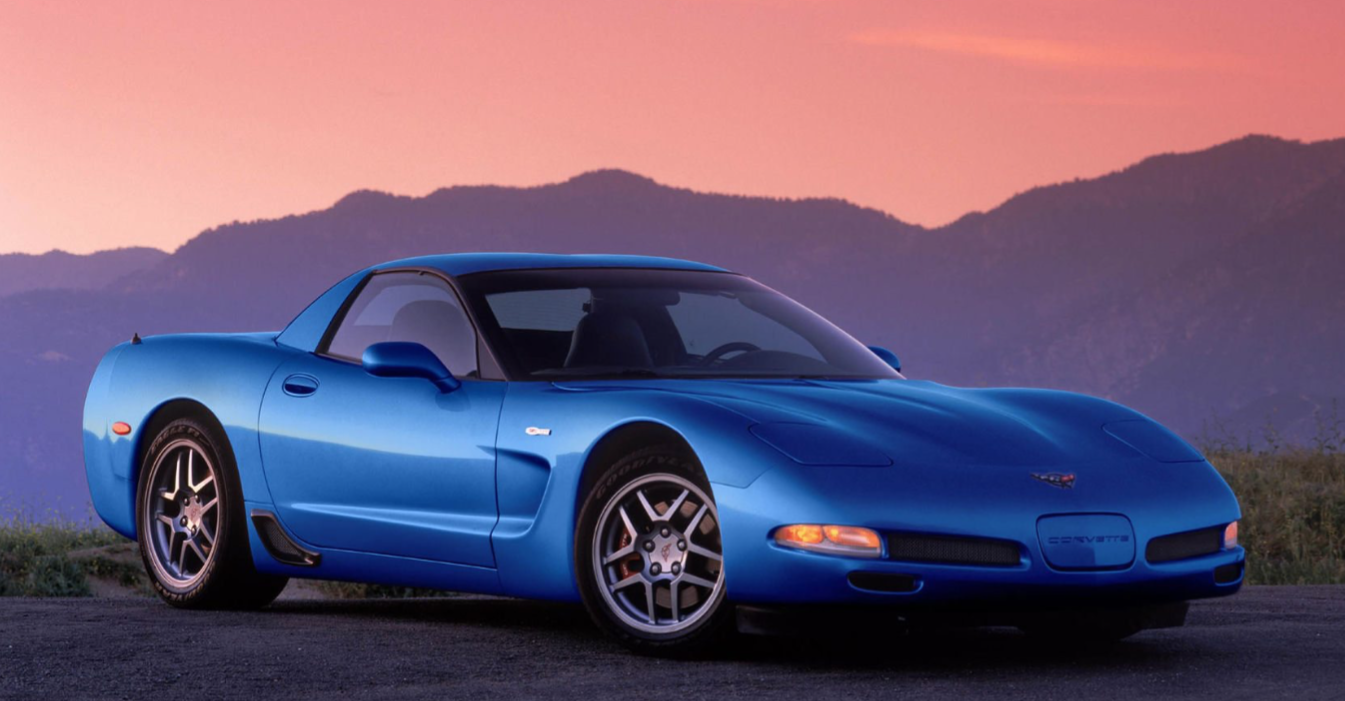
The fifth-generation Corvette, the C5, was a major leap forward. With a stronger structure, a rear-mounted transaxle for better weight distribution and the introduction of the LS1 V8, the Corvette became a far more complete performance car. The C5 Z06, in particular, proved that the Corvette could compete seriously on track while still offering value that European rivals could not match.
This was one of the key turning points in the Corvette story. It was no longer just America’s sports car by tradition. It was becoming a genuine performance benchmark.
The C6 and C7: Taking the Fight to Europe
By the time the C6 and C7 generations arrived, the Corvette had earned a different kind of respect. It was still powerful and unmistakably American, but it had also become sharper, more technically capable and more convincing as a global sports car.
Models like the Z06 and ZR1 pushed the Corvette into territory once reserved for European exotics. Carbon fibre, advanced suspension systems, huge braking performance and serious track capability made it increasingly difficult to dismiss.
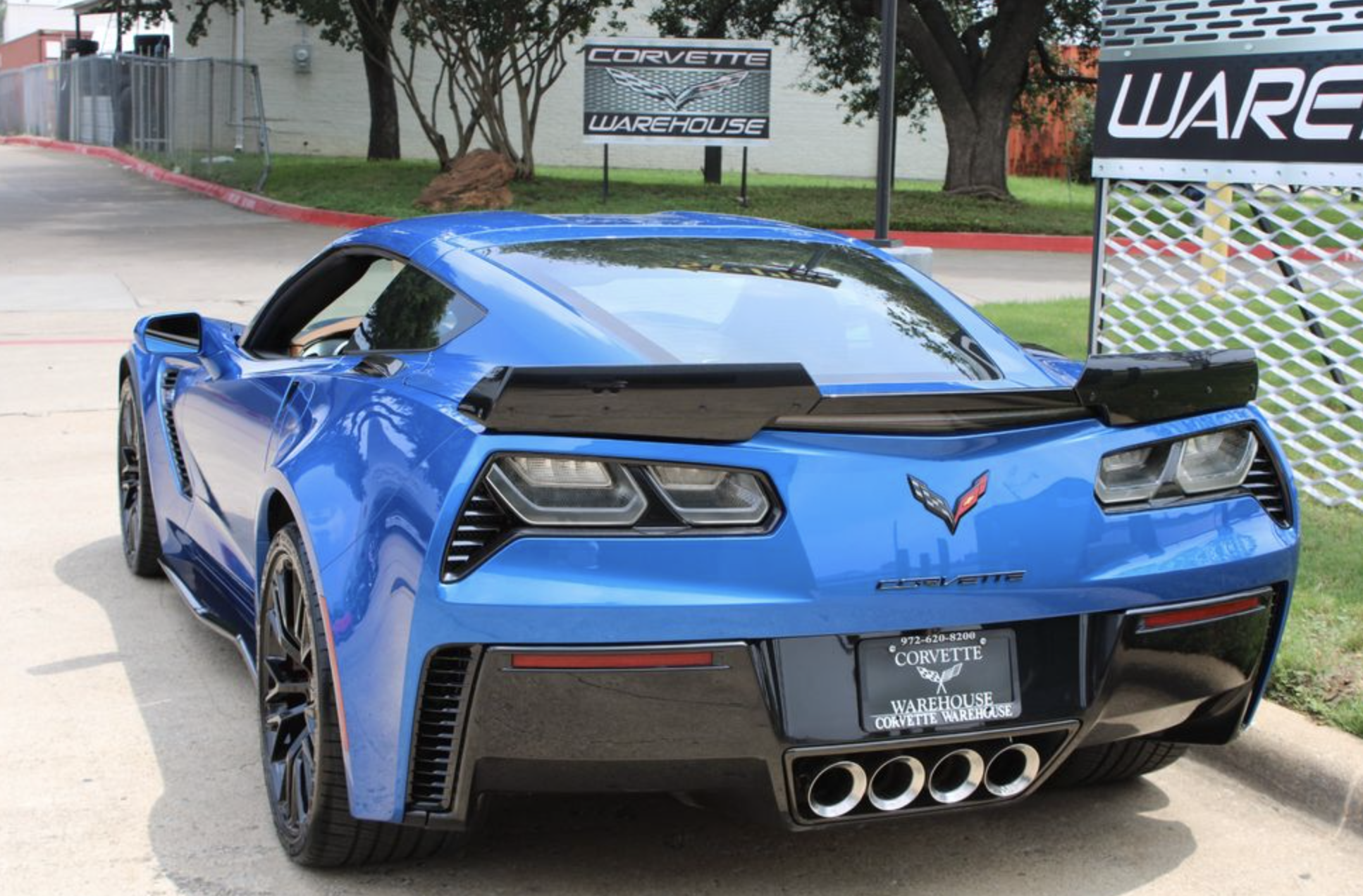
The C7 Stingray, launched for the 2014 model year, brought back one of the most famous names in Corvette history while giving the car a more aggressive and modern identity. It combined front-engine V8 theatre with a level of precision and interior quality that showed how far the model had come.
Still, there was one question that had followed the Corvette for decades.
Could it ever become a true mid-engine supercar?
The Mid-Engine Dream
The idea of a mid-engine Corvette was not new. Engineers had explored the concept for decades, and Zora Arkus-Duntov himself had long believed that placing the engine behind the driver was the logical direction for ultimate performance.
The reason is simple. In high-performance cars, layout matters. A mid-engine design places more weight near the centre of the car, improving traction, balance and response. It is one of the reasons Ferrari, Lamborghini and McLaren built many of their most iconic cars around that architecture.
For decades, the Corvette stayed front-engined. That layout was part of its identity, and it helped keep the car usable, recognisable and relatively accessible.
But eventually, Chevrolet made the leap.
The C8 Corvette: America Builds Its Supercar
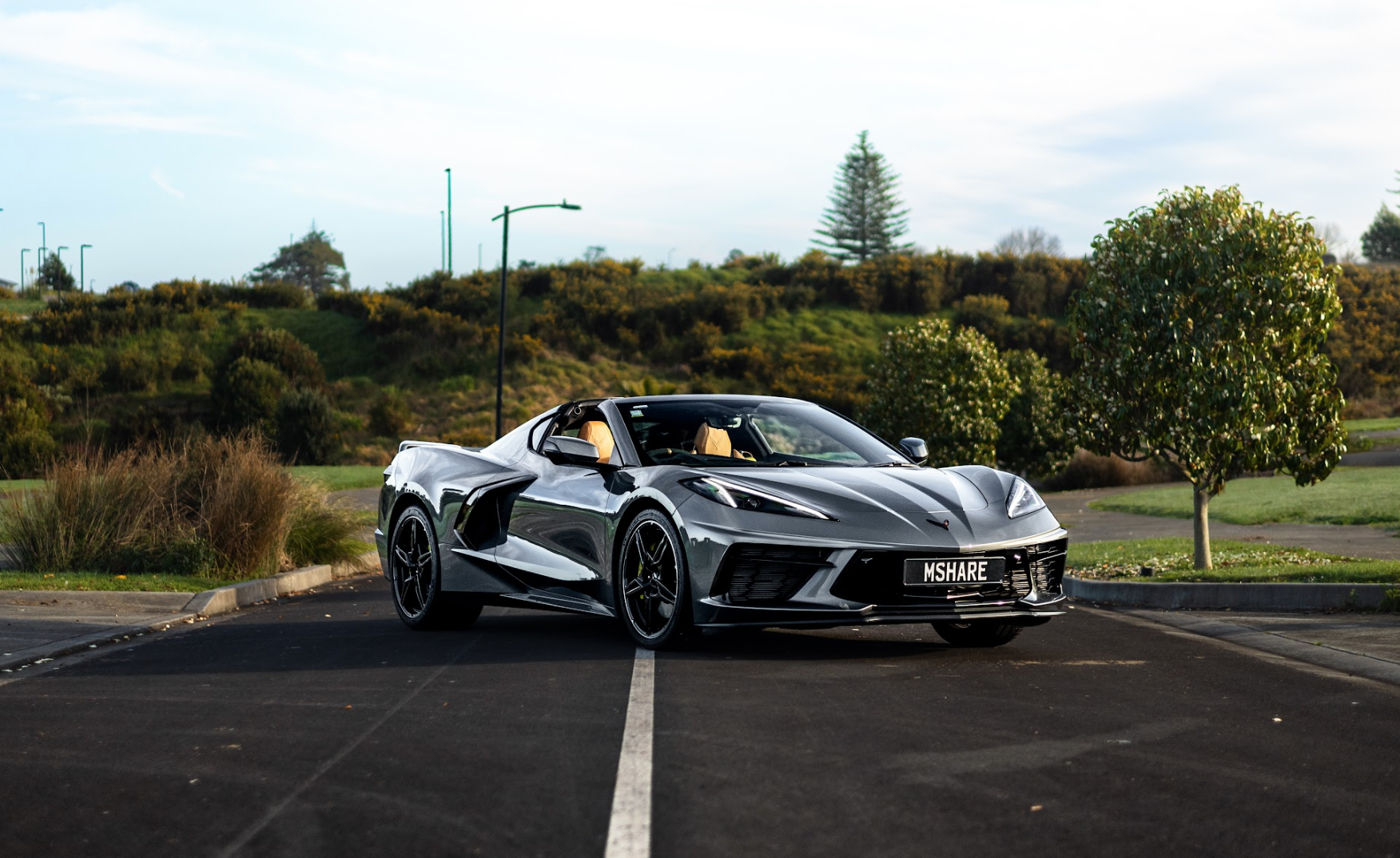
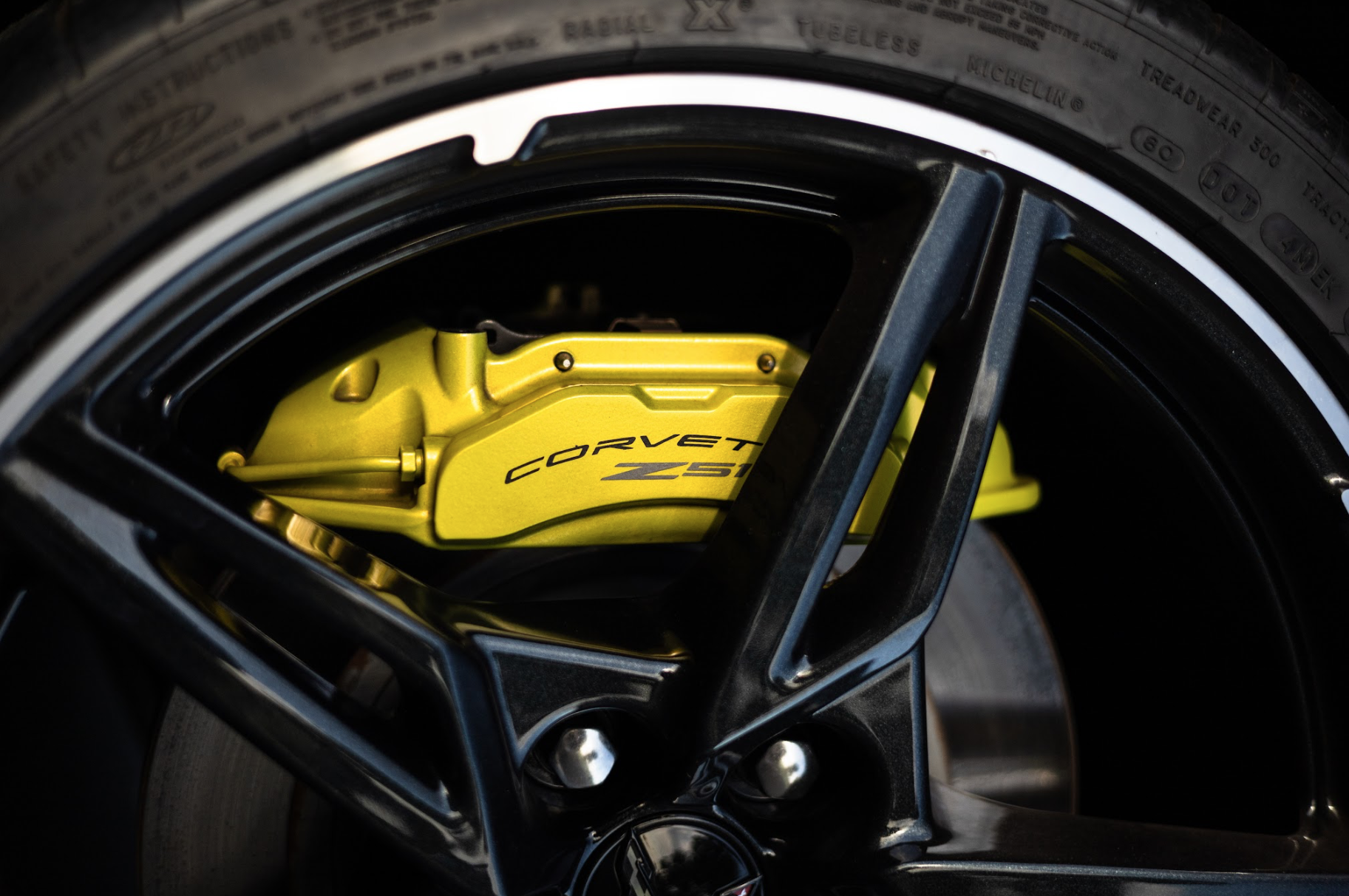
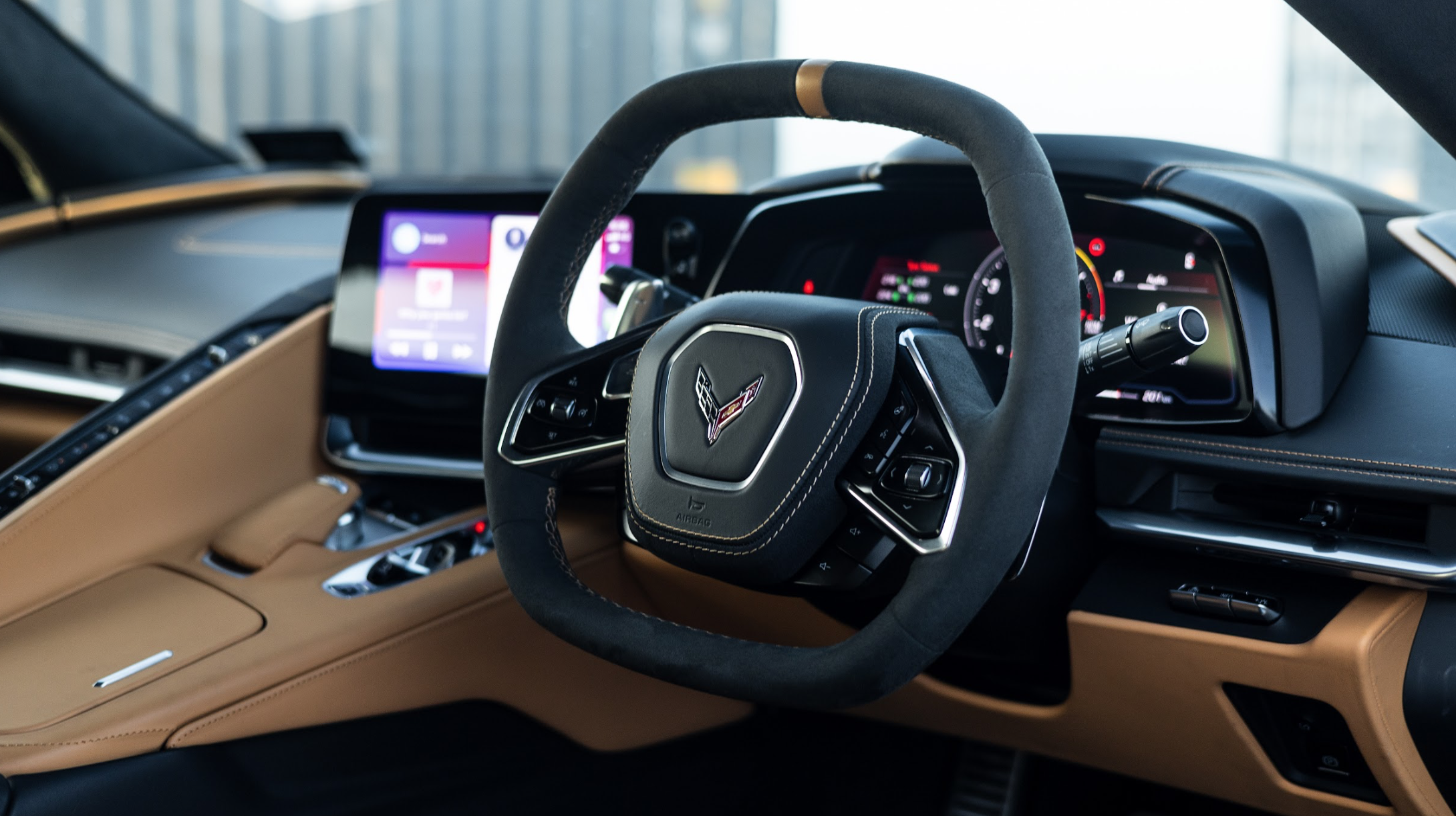
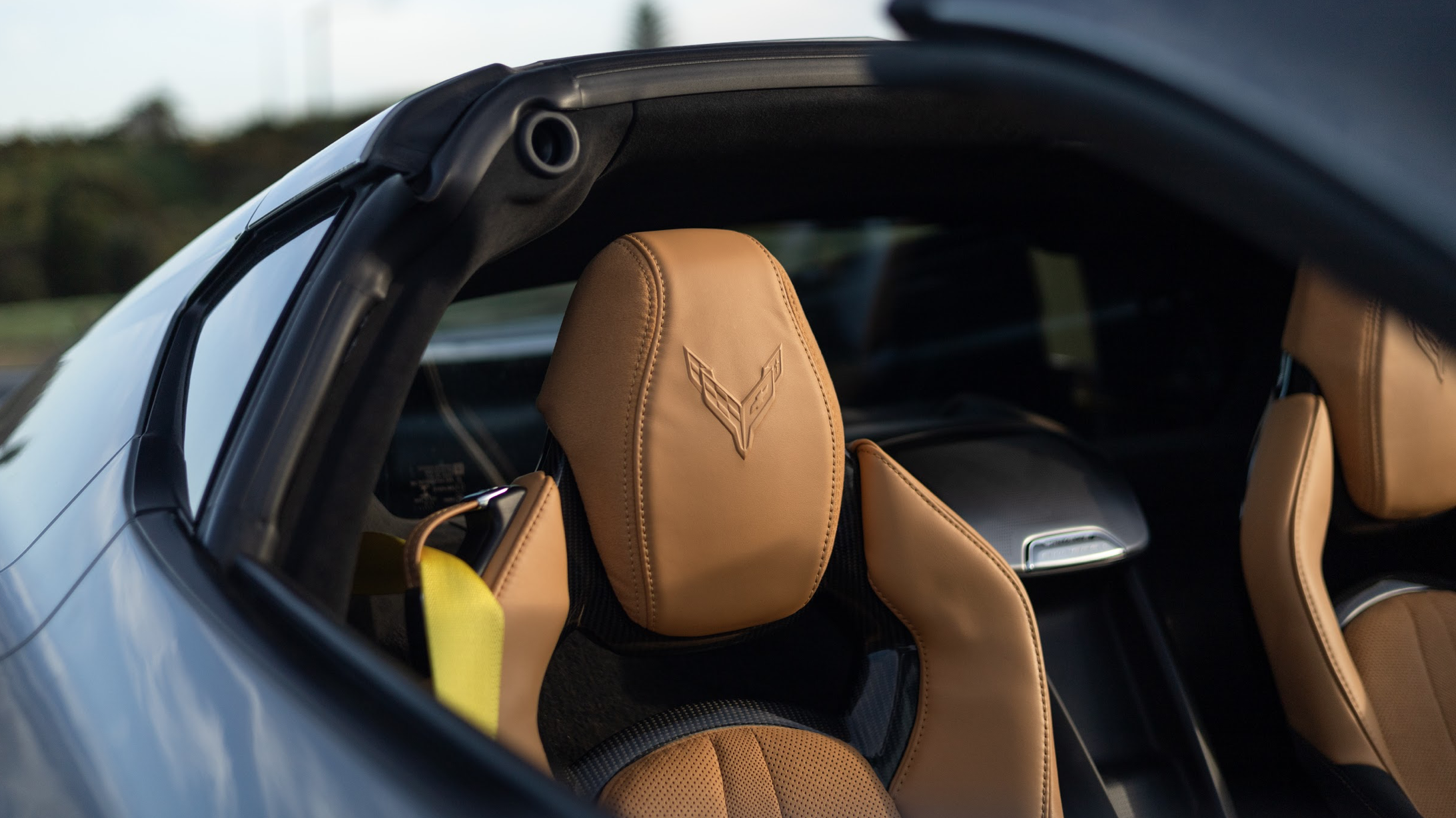
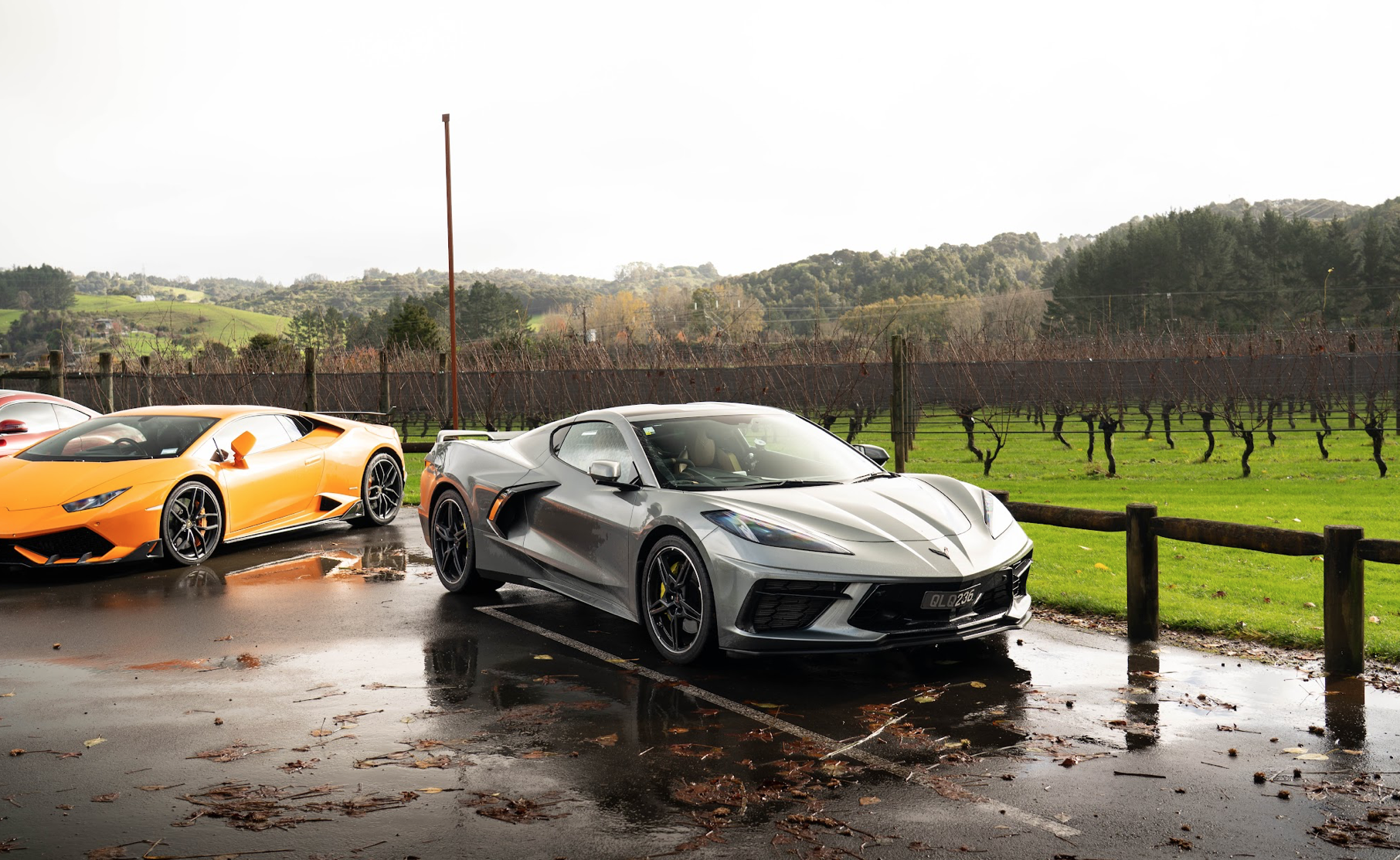
The eighth-generation Corvette, known as the C8, arrived as the most radical change in the model’s history. For the first time, the engine moved behind the driver. Visually, mechanically and philosophically, the Corvette entered a new era.
The proportions changed immediately. The short nose, cab-forward stance and wide rear haunches gave the C8 Corvette a silhouette closer to a European exotic than any Corvette before it. But the car did not abandon its American character. It kept the V8, the drama and the sense of accessibility that had always made the Corvette different.
That is what makes the C8 Corvette so important. It did not become a European supercar. It became an American interpretation of one.
It offered mid-engine performance, dramatic looks and serious handling, but with a personality that remained unmistakably Corvette. It was bold, loud, usable and still more attainable than many of the cars it could now be compared with.
For many enthusiasts, the C8 was the moment the Corvette fully crossed the line from sports car into supercar territory.

Why the Corvette Matters
The Corvette matters because it represents a different vision of performance.
European supercars often build their identity around exclusivity, motorsport heritage and technical refinement. The Corvette was built around a more democratic idea: give people serious performance, dramatic styling and emotional appeal without making the car feel completely unreachable.
That philosophy is why the Corvette has lasted more than seventy years. It has adapted through changing regulations, shifting markets, fuel crises, design revolutions and massive technological progress, but it has never lost its core identity.
It remains America’s great performance statement. A car born from the desire to compete with Europe, shaped by V8 culture, and refined over generations into something genuinely world-class.
Experience the Corvette C8 in New Zealand with MotorShare
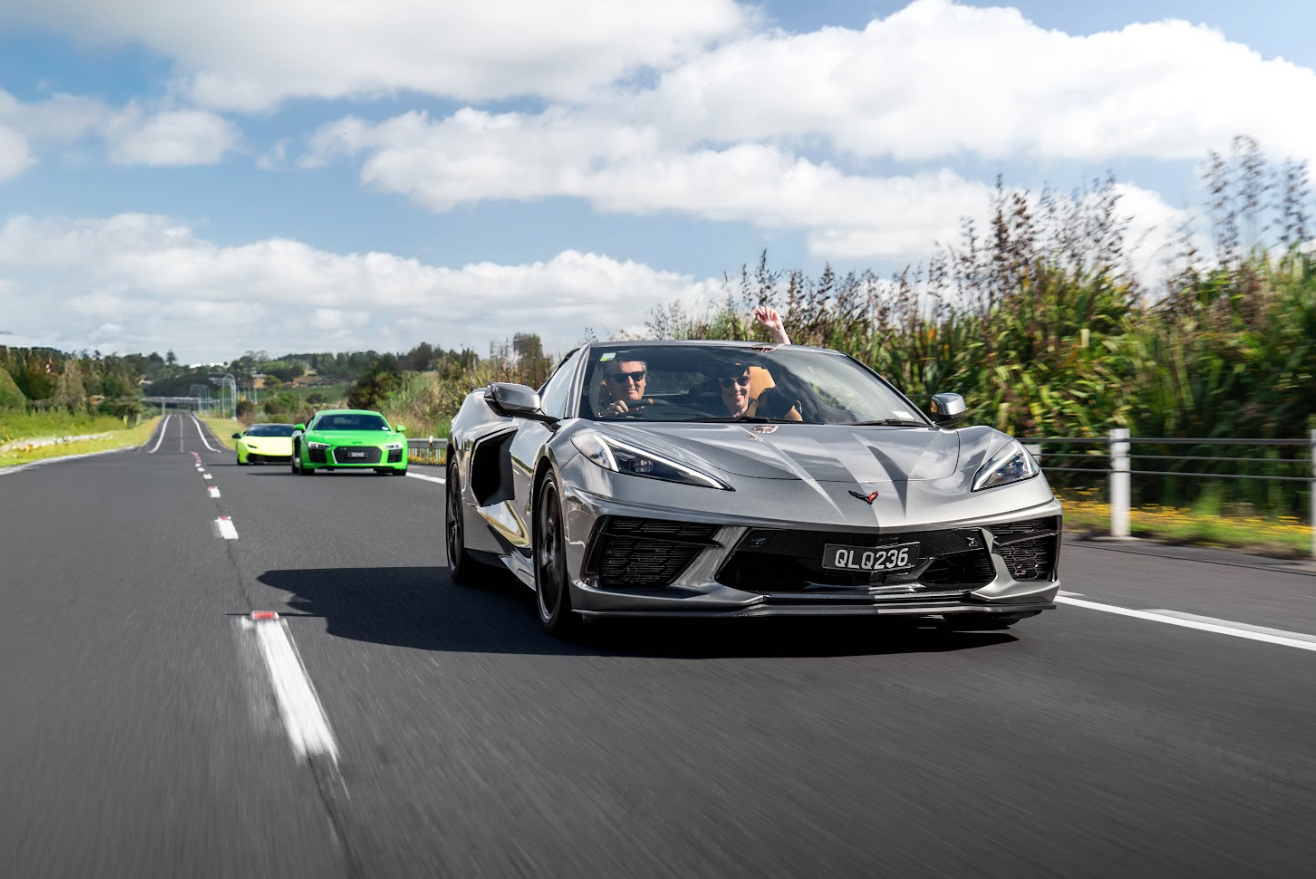
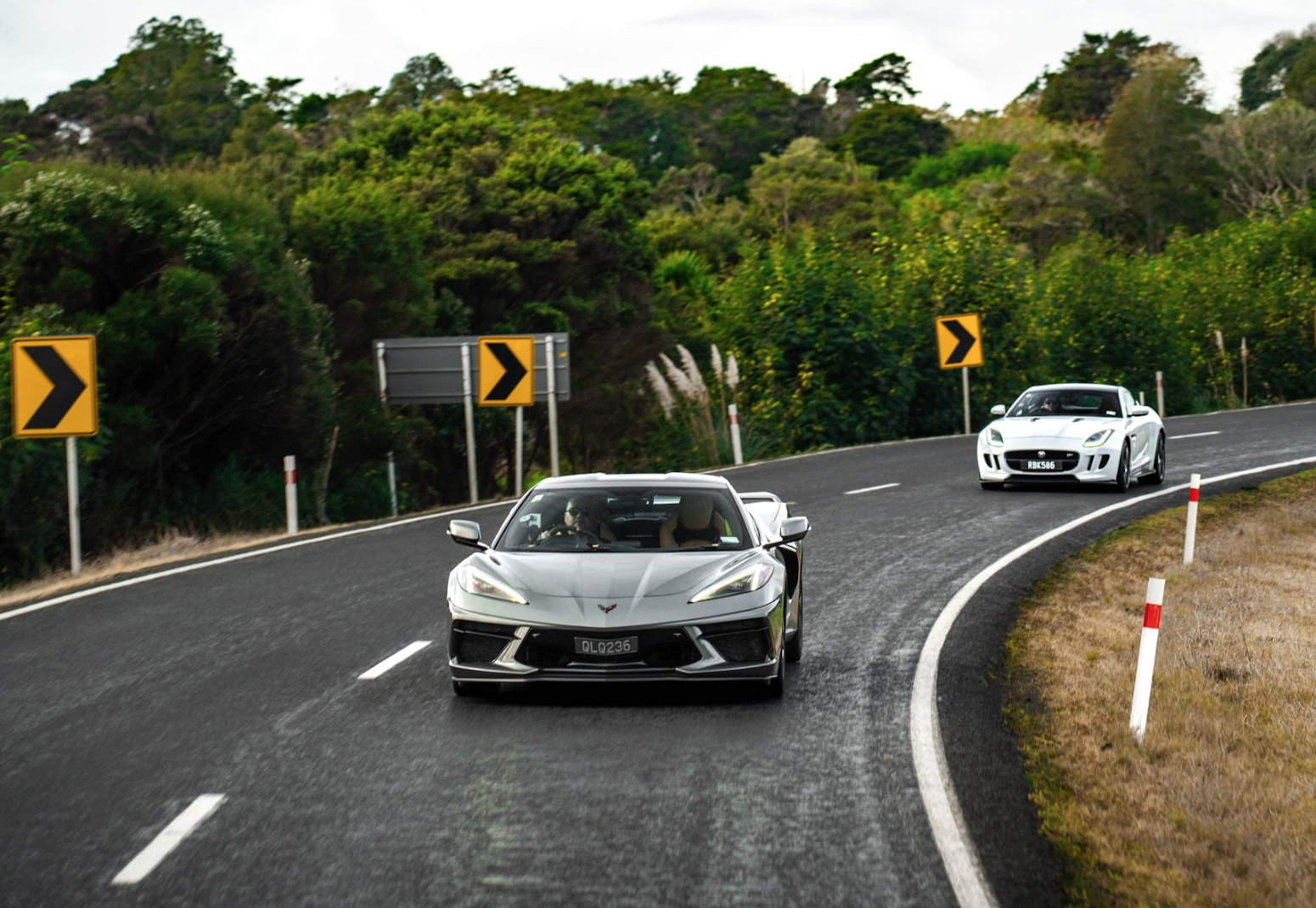
Today, the Corvette C8 brings that entire story to life in a way previous generations never could. It combines the heritage of America’s most famous sports car with the architecture and visual impact of a modern supercar.
For drivers in New Zealand, it offers something rare: the chance to experience an American performance icon that feels both familiar and exotic. It has the sound, presence and V8 character people expect from a Corvette, but with the balance and drama of a mid-engine layout.
At MotorShare, the Chevrolet Corvette C8 is available for those who want to understand why this car has become such an important chapter in modern performance history.
It is not just another fast car. It is the result of more than seven decades of evolution, ambition and reinvention.
Explore the Chevrolet Corvette C8 here.

Posts that might interest you

New Zealand's premier destination for luxury, exotic and performance car hire, membership and ownership.


Google Rating
See all our reviews
Head Office
888 Great South Road, Penrose, Auckland
Google Rating
See all our reviews


Download our app


Premium & Insured
All vehicles fully insured for your peace of mind.
Flexible Hire Options
Hourly, daily or long term to suit your plans.
Delivery Available
Airport or city delivery across Auckland.
24/7 Concierge
Our team is here when you need us.
© Copyright 2026 MotorShare Holdings Ltd.




NZTA Licensed
100% Kiwi Owned