 0800 220 009
 Back to Blogs
 Back to Blogs
Why Weight Matters More Than Power?
 June 8, 2026
 Motorshare Team
 4 months
Power is the number everyone loves to talk about. It is the figure that gets shouted across car parks, printed in headlines and used to settle arguments before anyone has even turned a wheel. More horsepower sounds more exciting, and in the world of performance cars, it is easy to assume that the biggest number wins.
But once you are actually driving, especially on a winding road rather than a straight piece of tarmac, weight starts to matter just as much, and often more. A lighter car does not simply accelerate differently. It brakes differently, turns differently, changes direction differently and speaks to the driver in a way that a heavier car often cannot.
That is why some of the most memorable performance cars are not always the most powerful. They are the ones that feel alert, balanced and alive beneath you. For anyone looking at performance cars in NZ, or considering a European sports car experience in Auckland, understanding weight is the key to choosing a car that feels genuinely special, not just impressive on paper.
Power Gets the Headlines, Weight Shapes the Drive
Horsepower is easy to understand. More power means more potential acceleration, more top-end performance and a bigger sense of theatre when you press the throttle. It is exciting, and in the right car it can be completely addictive.
Weight is quieter. It does not create the same drama in a brochure, but it affects almost everything a car does. A heavy car asks more of its tyres, brakes, suspension and engine. It has more mass to move, more energy to control and more momentum to manage when the road starts to twist.
This is why the power-to-weight ratio is such an important idea. A car with less power but much less weight can feel quicker and more responsive than a heavier car with a larger engine. It does not need to fight itself as much. The driver asks, and the car answers.
That response is what separates a fast car from a great driver’s car. A high-powered grand tourer can feel spectacular on a motorway or open straight, but a lighter sports car often feels better on the kind of roads people actually remember. The road over the hill. The coastal route. The early morning drive when every corner has rhythm.
A Lighter Car Reacts Before a Heavy Car Has Settled
The biggest difference is reaction time. A lighter car feels as though it is already halfway into the next movement before a heavier car has finished thinking about it. The steering feels cleaner because the front tyres have less mass to guide. The brakes feel sharper because there is less weight to slow down. The suspension can work with the road instead of constantly trying to contain the body.
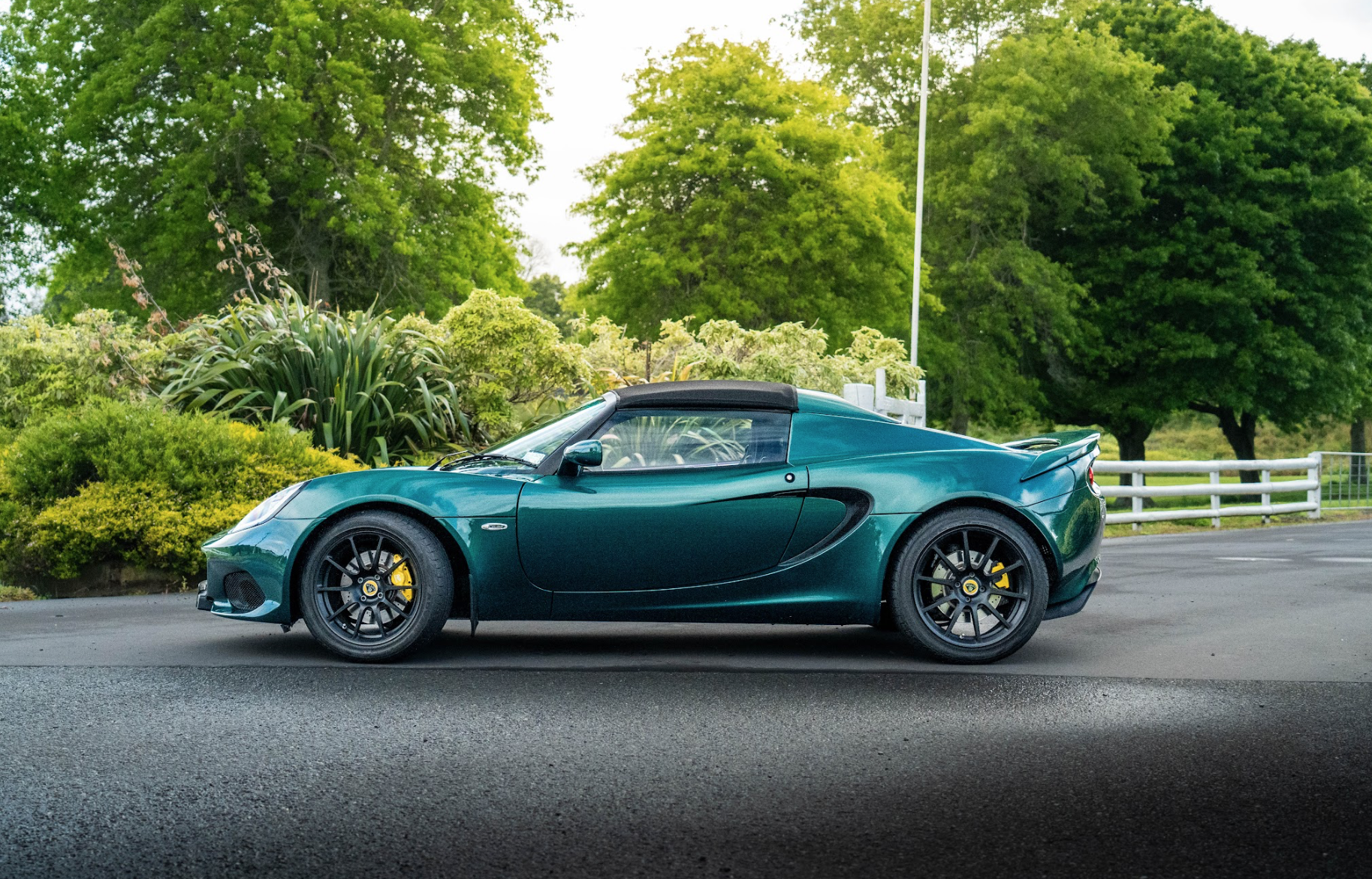
This is why cars such as the Lotus Elise 240 Final Edition have such a loyal following. It is not about chasing the biggest power figure. It is about purity. The Elise is the kind of car that reminds you how much performance comes from lightness, balance and feedback. You feel the road, the weight transfer and the grip level in a way that makes even ordinary speeds feel engaging.
That is one of the reasons lightweight performance cars can feel faster than the stopwatch suggests. They involve the driver more often. You are not just waiting for a huge burst of acceleration. You are part of every input, every correction and every line through a bend.
Cornering, Braking and Tyres: The Hidden Cost of Weight
Weight becomes especially important when the road is not straight. In a corner, a heavier car has more inertia. It wants to keep moving in the direction it was already going, so the tyres have to work harder to change its path. That can make the car feel less agile, less delicate and more dependent on electronic systems or very wide tyres to stay composed.
Braking tells the same story. More weight means more energy to slow down. Even with powerful brakes, a heavy car is asking more from its hardware. On a spirited drive, that can affect confidence, consistency and feel. A lighter car tends to feel more natural under braking because it sheds speed with less effort.
Tyres also have a harder life in a heavy car. They must support more mass, deal with more heat and manage more load through corners. This is one reason why a lighter sports car can feel more playful and precise. It does not have to overwhelm the road to entertain you.
For a road trip Auckland drivers will actually enjoy, this matters. New Zealand has some brilliant driving roads, from coastal sections to flowing rural routes, and they reward balance more than brute force. A car that can breathe with the road often gives you more pleasure than one that simply dominates it.
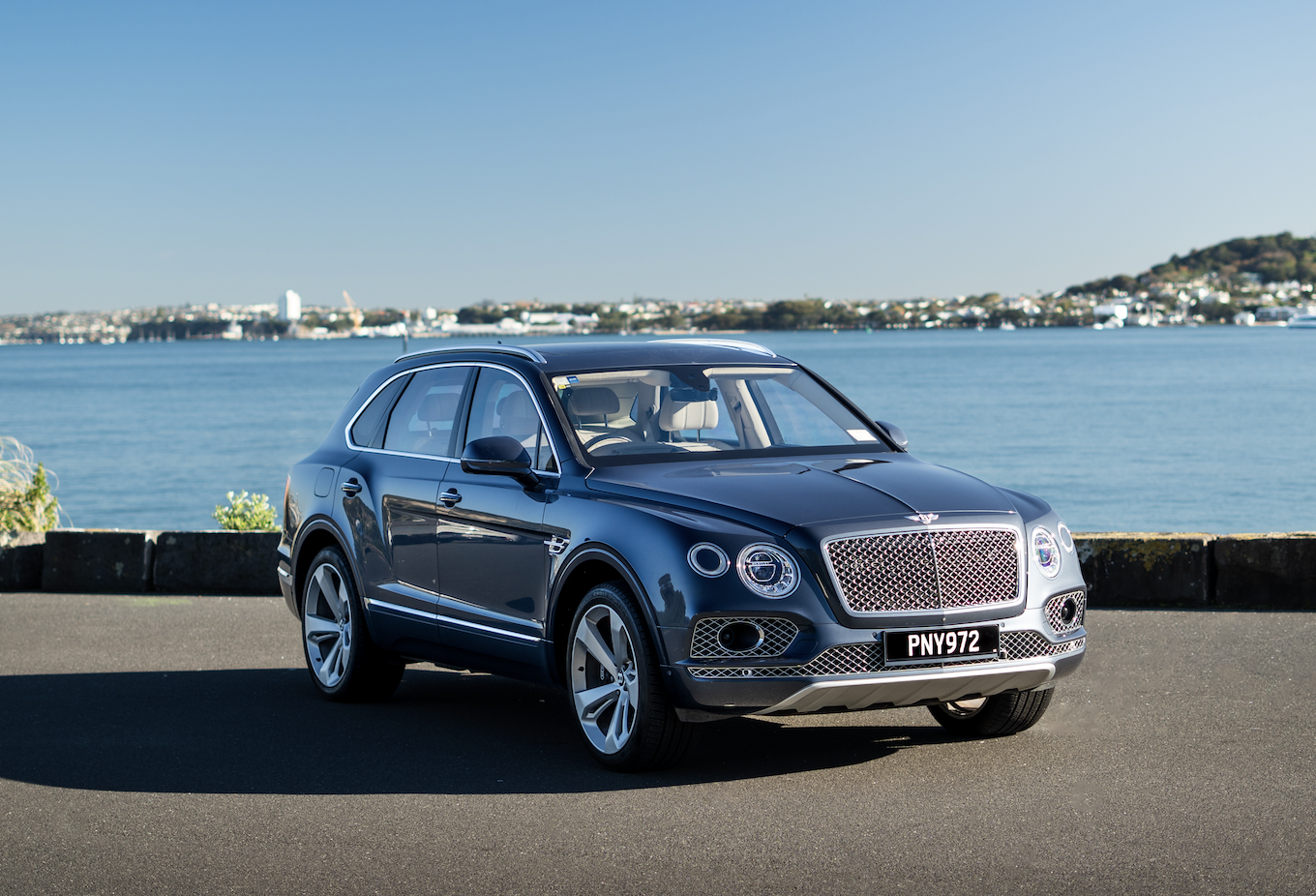
Why Lightweight Performance Feels More Alive
There is also an emotional difference. Power impresses you. Lightness involves you.
A very powerful car can be thrilling because of the force it delivers. The acceleration, the sound and the sense of occasion can be unforgettable. But in many modern cars, especially heavier ones, the driver can sometimes feel slightly separated from the action. The car is doing incredible things, but it is doing them through layers of grip, electronics and mass.
A lighter car tends to remove some of those layers. The steering talks more. The chassis moves more honestly. Small inputs matter. You become more aware of the car’s balance, and that makes the drive feel more personal.
This does not mean power is unimportant. Far from it. A great engine or a strong hybrid system can transform a car. But when power is added to a well-balanced, lightweight platform, the result is often more satisfying than simply adding more horsepower to something already heavy.
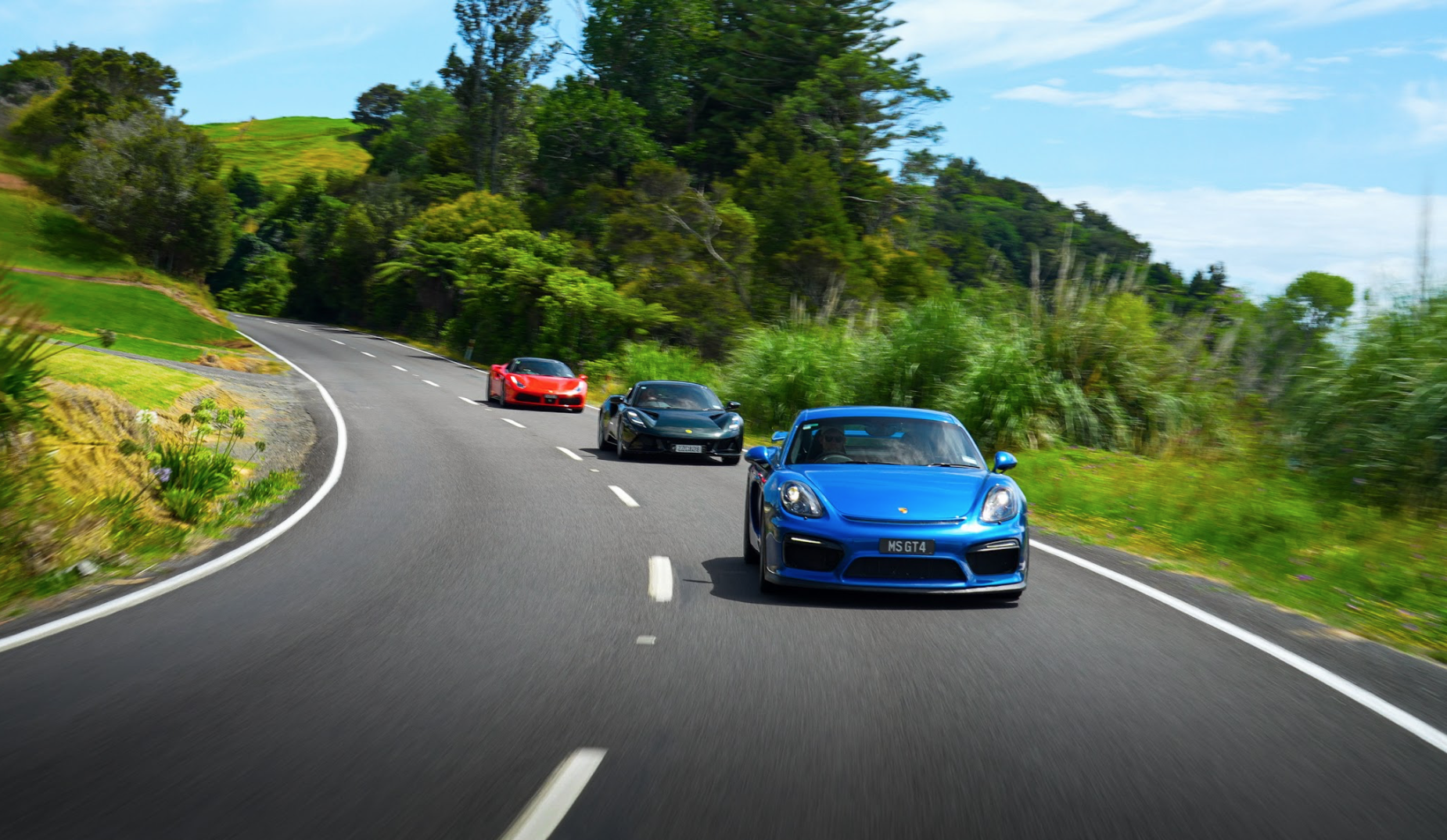
From Lotus to Lamborghini: Different Ways to Go Fast
The beauty of performance cars is that there is no single correct formula. Different cars create excitement in different ways, and that is exactly what makes the experience interesting.
The Lotus Elise 240 Final Edition is a perfect example of lightweight thinking. It is about connection, agility and purity. It shows why less can feel like more when the road becomes technical.
The Porsche 718 Boxster offers a slightly more polished interpretation of the same idea. It is balanced, usable and beautifully suited to New Zealand roads, with the kind of mid-engined poise that makes corners feel natural rather than dramatic.
The Porsche 911 Carrera S adds another layer. It is not as minimalist as a Lotus, but it has decades of engineering behind the way it puts weight, traction and power together. It is a reminder that performance is not only about being light. It is about where the weight sits, how the chassis uses it and how much confidence the driver feels.
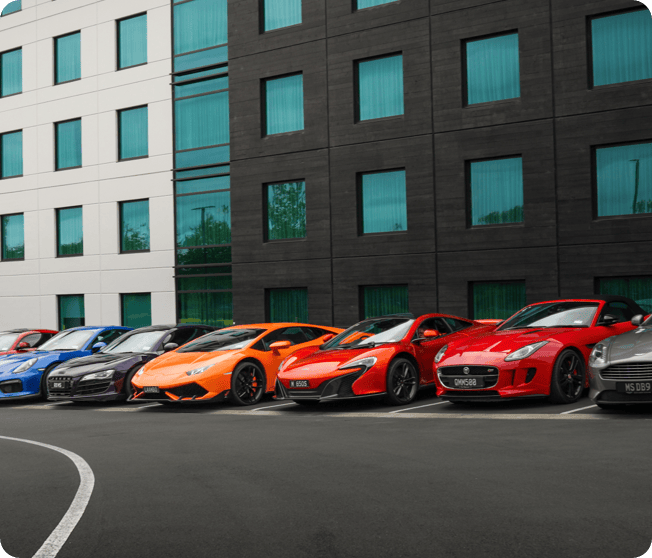
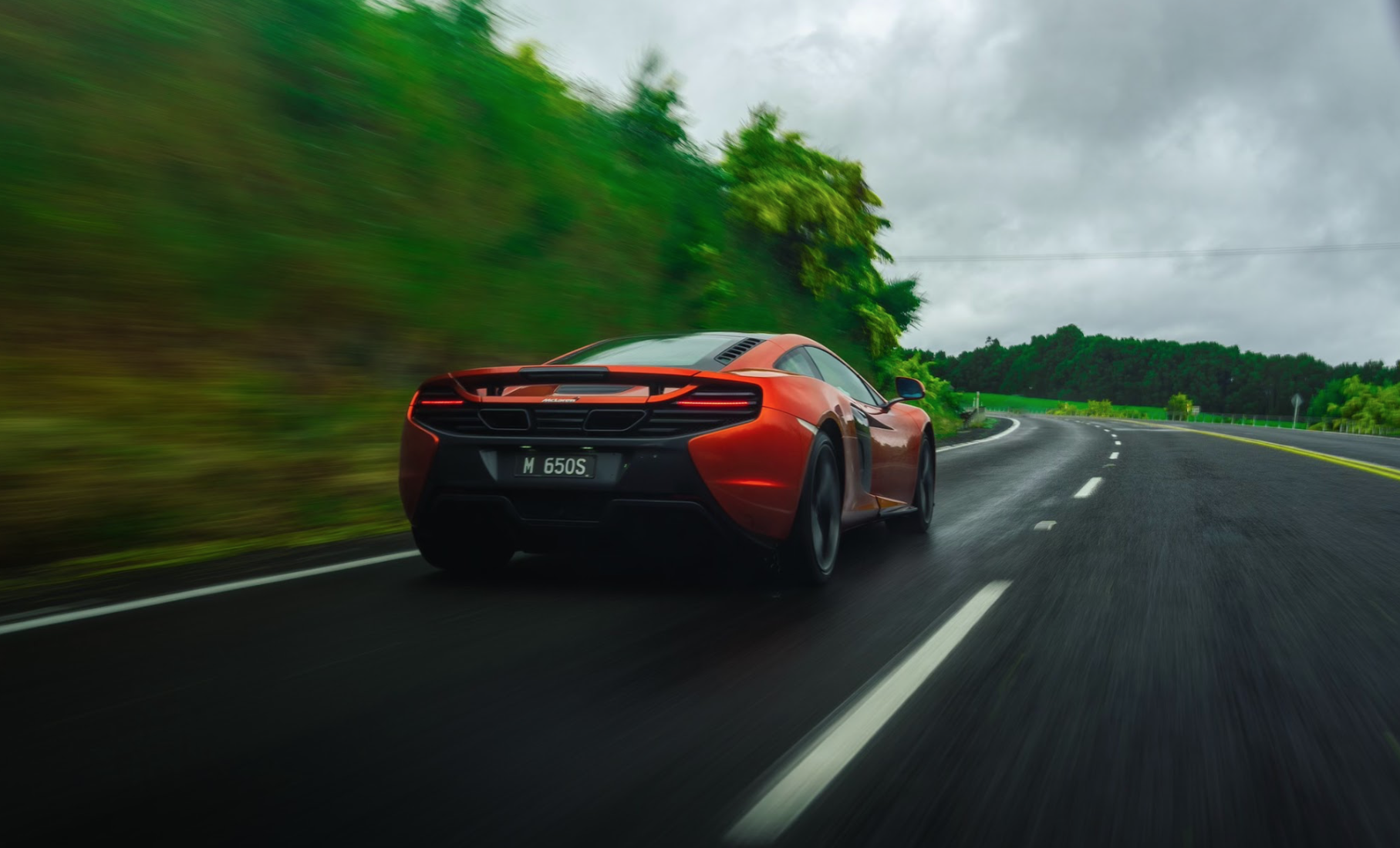
Then there are the exotics. The Ferrari 488, McLaren 650S and Lamborghini Huracán bring serious speed, theatre and presence. These are the cars people dream about when they search for Ferrari hire New Zealand, Lamborghini rental NZ or exotic car hire Auckland. They prove that power can still be magical when it is matched with serious engineering, strong brakes, advanced aerodynamics and a chassis built to handle it.
The difference is that each car has its own character. A Lotus teaches you about momentum. A Porsche teaches you about balance. A Ferrari or McLaren shows how far modern performance engineering can go. A Lamborghini adds drama in a way few cars can match. None of these experiences are wrong. They simply answer the question of performance in different ways.
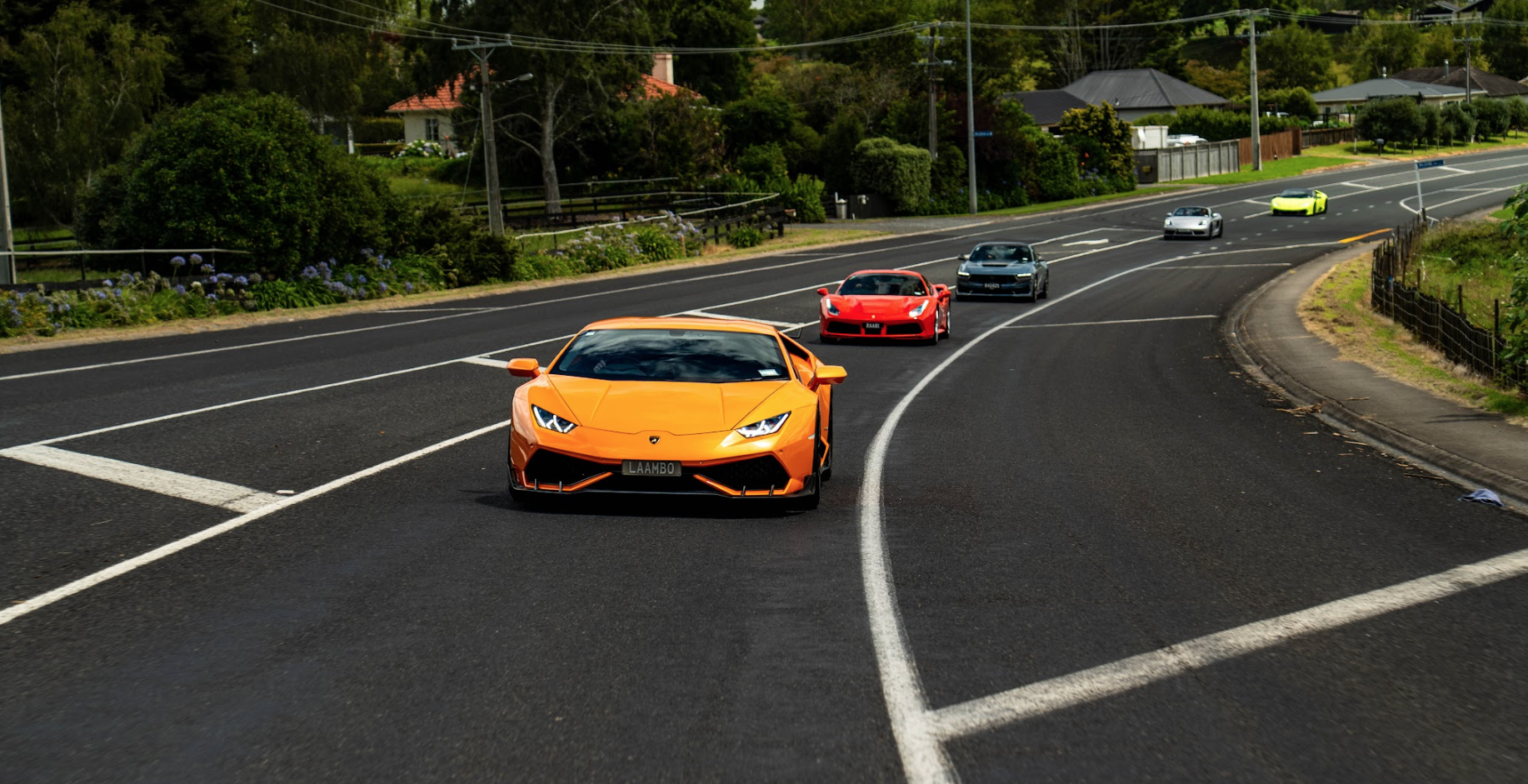
Choosing the Right Performance Car Experience in Auckland
When choosing a performance car experience, the best question is not always “how much power does it have?” A better question is “what kind of drive do I want?”
For a sharp, involving and lightweight feel, a car such as the Lotus Elise or Porsche 718 Boxster makes a huge amount of sense. For a more premium sports car rental Auckland experience with everyday usability and serious pace, the Porsche 911 Carrera S is a strong choice. For full supercar drama, the Ferrari 488, McLaren 650S and Lamborghini Huracán deliver the kind of occasion that makes any drive feel memorable.
MotorShare gives drivers access to a broad range of performance cars in Auckland, from lightweight sports cars to exotic supercars and luxury GTs. Through daily rentals, memberships and curated experiences through Luxury Drives, it becomes possible to experience different philosophies of performance without being locked into ownership.
That is especially valuable because the car that looks best on paper is not always the one that suits your favourite road, your driving style or the kind of memory you want to create. Sometimes the lighter, less intimidating car is the one that makes you smile for longer.
Final Thoughts: Chase Feel, Not Just Figures
Power will always matter. It gives cars excitement, drama and speed. But weight is what determines how a car uses that power, how it responds to the road and how connected the driver feels behind the wheel.
A lighter car can make modest speeds feel vivid. It can make corners feel cleaner, braking feel more precise and steering feel more alive. It reminds you that performance is not only about going faster. It is about feeling more.
For anyone exploring luxury car rental Auckland, supercar hire New Zealand or a truly engaging European sports car experience NZ, the lesson is simple: do not choose purely by horsepower. Choose the car that matches the drive you want. Browse the full MotorShare fleet and discover how different performance can feel when weight, balance and power all come together.
Posts that might interest you

New Zealand's premier destination for luxury, exotic and performance car hire, membership and ownership.

Google Rating
See all our reviews
Head Office
888 Great South Road, Penrose, Auckland
Google Rating
See all our reviews


Download our app


Premium & Insured
All vehicles fully insured for your peace of mind.
Flexible Hire Options
Hourly, daily or long term to suit your plans.
Delivery Available
Airport or city delivery across Auckland.
24/7 Concierge
Our team is here when you need us.
© Copyright 2026 MotorShare Holdings Ltd.




NZTA Licensed
100% Kiwi Owned